TikTok Shop Creator Tiers: How to Build a Tiered Affiliate Program
TikTok Shop creator tiers explained. The 4-tier framework, promotion signals, commission structure by tier, and how to operate it without chaos.

Five percent of affiliates do eighty percent of the work.
That is not a TikTok Shop number. It is the universal pattern across every affiliate program ever measured, going back to Matt McWilliams' decade of running them at scale. On TikTok Shop the math hits harder, because eighty to ninety-five percent of affiliate signups never become active in the first place. Most creator programs are not running an affiliate engine. They are running a graveyard of inactive logins with five performers carrying the GMV.
Most TikTok Shop programs treat all of those creators the same.
Same commission. Same brief. Same onboarding deck. Same DM cadence. The five percent who are printing money get the same template as the seventy percent earning under five hundred dollars a month, and the brand wonders why retention is rotten and content velocity is flat. The answer is the tier mistake. Tiering is what separates a creator program that compounds from a creator program that bleeds.
This is the deep dive on TikTok Shop creator tiers. What they are, how to design the framework, what triggers movement, how commission and rewards differ, and how to operate the whole thing without it turning into a spreadsheet that nobody updates. Built from the TikTok Shop affiliate marketing playbook, the commission rates dataset, and the patterns that show up in every program that crosses one hundred creators without breaking.
Quick Answer: TikTok Shop creator tiers are structured groupings of affiliates by performance, follower count, or exclusivity that drive different commission rates, rewards, and operational treatment. The strongest 2026 framework uses four tiers ... Open Affiliate, Movers, Killers, and Elite ... with promotion triggered by GMV, content velocity, and shop health metrics. Brands using a tier structure outperform flat-rate programs on both retention and posts-per-creator, especially past the one hundred creator mark.
The Problem: Why Flat-Rate Programs Break
Every affiliate program lives at one of five scaling phases. Founder-led for the first thirty creators. First tension at thirty to fifty. The Wall at fifty to one hundred, where forty to fifty percent of creators churn during the transition if the program is not systematized. System scale at one hundred to a thousand. Platform scale beyond that. The phases are not theoretical, they are documented across every agency that has scaled creator programs ... The Cirqle, CreatorsJet, and the data that shows up inside every brand running rosters past fifty creators.
What kills programs at the one hundred creator wall is not lack of creators. It is lack of differentiation.
When every creator gets the same commission rate, the top performers are quietly underpaid and the dormant signups are quietly overpaid. When every creator gets the same brief, the elite creators get watered-down direction designed for nano creators, and the nano creators get strategy decks they cannot execute. When every creator gets the same onboarding email, the brand burns its highest-leverage relationships at the same rate it burns its lowest. The program becomes a pile of identical inputs producing wildly non-identical outputs, and the brand has no operational lever to fix it.
This is the friction tiers solve. A tiered affiliate program is the recognition that creators are not interchangeable, that the top five percent require different inputs than the bottom seventy percent, and that the system must encode those differences before the brand can scale past the wall. Without tiers, the only way to scale is to hire more creator managers, which caps at the manager-to-creator ratio of fifty to one hundred and turns into a six-figure-per-year operational cost line. With tiers, one creator strategist can run a program that used to require a team of five.
Brands using tiered structures see the difference inside ninety days. Exclusive Contract creators ... the highest-tier cohort ... churn at eighteen percent annually, against thirty-four percent for Target Collaboration creators and the platform average of thirty percent. The tier structure is itself a retention mechanism. The creator does not just get a different commission rate, they get a different relationship with the brand, and that relationship is what compounds.
What TikTok Shop Creator Tiers Actually Are
Before designing a tier framework, it helps to be precise about what a tier is and what dimension it sorts on. There are three dimensions in play across every meaningful tier system on TikTok Shop, and most brands conflate them.
Dimension 1: Follower count
The classic agency tiering ... nano (under ten thousand), micro (ten thousand to one hundred thousand), mid-tier (one hundred thousand to one million), and top-tier or macro (one million plus). This is the dimension most marketing software defaults to because follower count is the easiest data point to query.
The trap: follower count is the weakest predictor of TikTok Shop GMV. Industry response rate data from Hyperfocus Tech shows that Tier 3 creators (one thousand to ten thousand followers) respond to outreach at twenty to thirty percent, against five to eight percent for Tier 1 (one hundred thousand plus). Conversion data tells a similar story ... micro-creators outperform mid-tier creators on TikTok Shop conversion rate by roughly 1.2 to 1.3x. A program built only on follower count will systematically underweight its best converters.
Dimension 2: Performance
GMV-based tiering. Creators move up based on attributed sales, not audience size. The CreatoRev Q1 2026 dataset captures this distribution clearly:
| CreatoRev tier | Monthly earnings | Posting cadence | Share of creators |
|---|---|---|---|
| Beginner | $0-$100 | 1-3 videos/week | ~40% |
| Growing | $100-$500 | 3-7 videos/week | ~30% |
| Established | $500-$2,000 | 7-15 videos/week | ~20% |
| Pro | $2,000-$10,000 | 15-30 videos/week | ~8% |
| Elite | $10,000+ | 30+ videos/week | ~2% |
The pattern: performance tracks volume more than audience. The Elite tier creators are not the largest accounts ... they are the most prolific. Twenty to fifty products in active rotation, thirty plus videos a week, ten thousand dollars or more in monthly earnings.
Performance-based tiering is the strongest predictor of program economics. It is also harder to operate because performance is a moving target ... a creator can climb three tiers in a quarter or fall back two, and the brand needs a system that handles the movement without manual intervention.
Dimension 3: Exclusivity
Tiering by relationship type. TikTok Shop's Affiliate Center supports three relationship modes that map directly to tiers:
- Open Collaboration: any creator can grab a sample and post. Lowest commission, highest reach, lowest commitment.
- Target Collaboration: brand-initiated invitation with a specific commission rate and product. Mid-commission, mid-commitment.
- Exclusive Contract: negotiated agreement, often with category lockouts. Highest commission, highest commitment, lowest churn (eighteen percent annually).
Exclusivity tiering is the lever brands underuse. The data is clean: Exclusive Contract creators churn at less than half the rate of Target Collaboration creators, because exclusivity makes the creator's affiliate income single-threaded. They cannot post for a competitor in the same category, so when the brand performs well, the creator's economic upside is locked to the brand's success.
What TikTok itself does
TikTok runs its own native tier system on top of these dimensions, anchored to shop health rather than commission. The TikTok Shop Insiders podcast surfaced the internal language ... Newbies, Movers, Killers, Elite Killers ... tied to metrics including the Creator Health Rating (CHR), Affiliate Health Rating (AHR), and the Violation Point System. CHR tiered enforcement means a first warning triggers a short pause, while a zero score triggers permanent commerce removal.
The platform also enforces sample quotas by creator badge ... Bronze and Silver get twenty samples per month, Gold gets forty, Platinum gets fifty, Ruby and Diamond get one hundred. Sellers face their own GMV-based sample tier ... five samples for shops under five thousand dollars, twenty for five thousand to one hundred fifty thousand, fifty for shops above one hundred fifty thousand.
These platform tiers are not optional. They run alongside whatever tier system the brand designs. The smart brands align their internal tiers with TikTok's native signals so a creator who is a Killer on the platform is also a Tier 2 inside the brand's own system. Misalignment between brand-side and platform-side tiers is one of the most common operational mistakes ... the brand promotes a creator to its top tier, then watches TikTok suspend them for CHR violations the brand had no visibility into.
The 4-Tier Framework Most Brands Should Start With
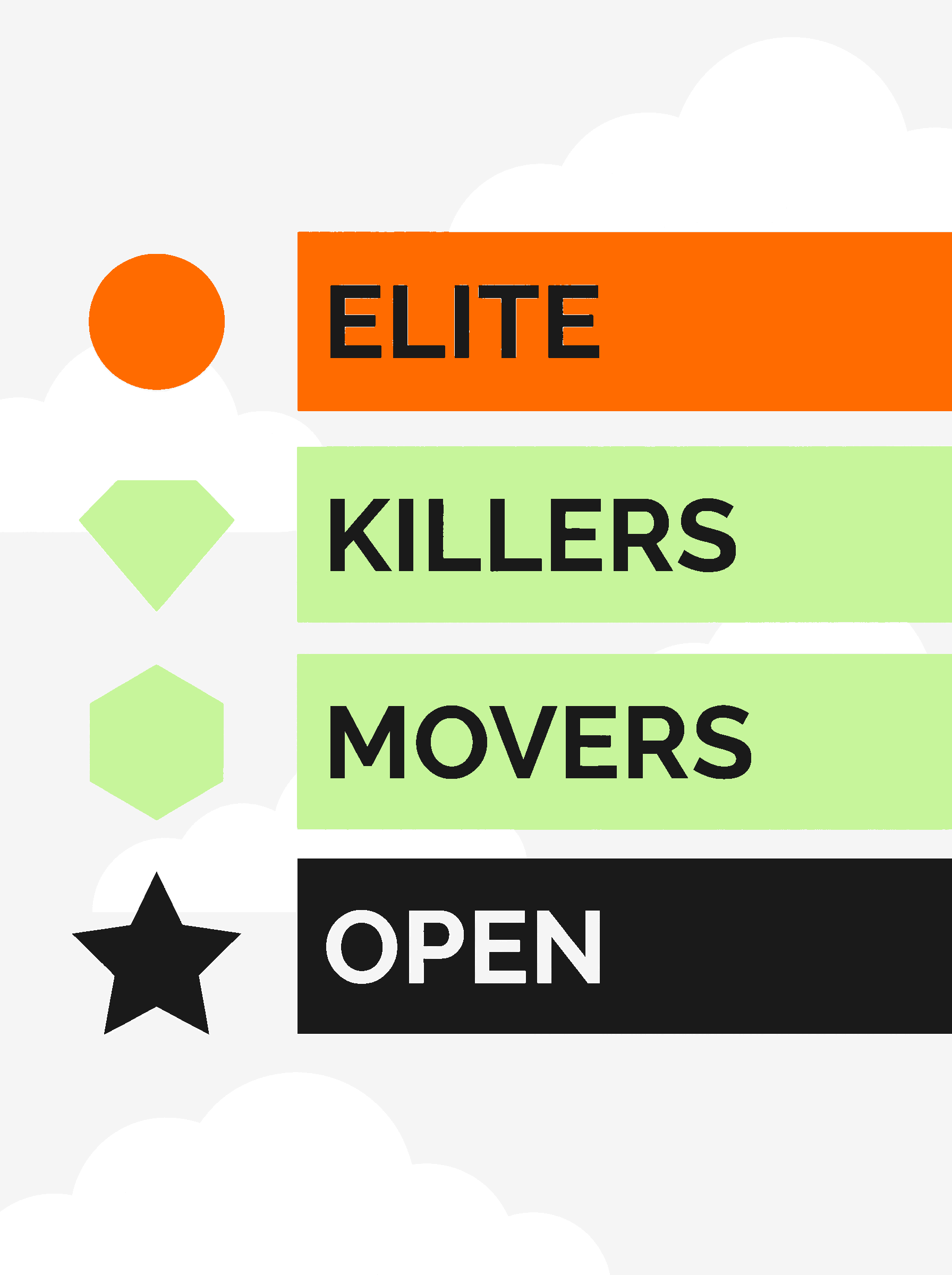
Most brands do not need a five or six tier system. They need four tiers, designed in proportion to the CreatoRev distribution, with clear promotion criteria and operational differentiation across every tier. This is the framework that holds up across every program that scales past one hundred creators without breaking.
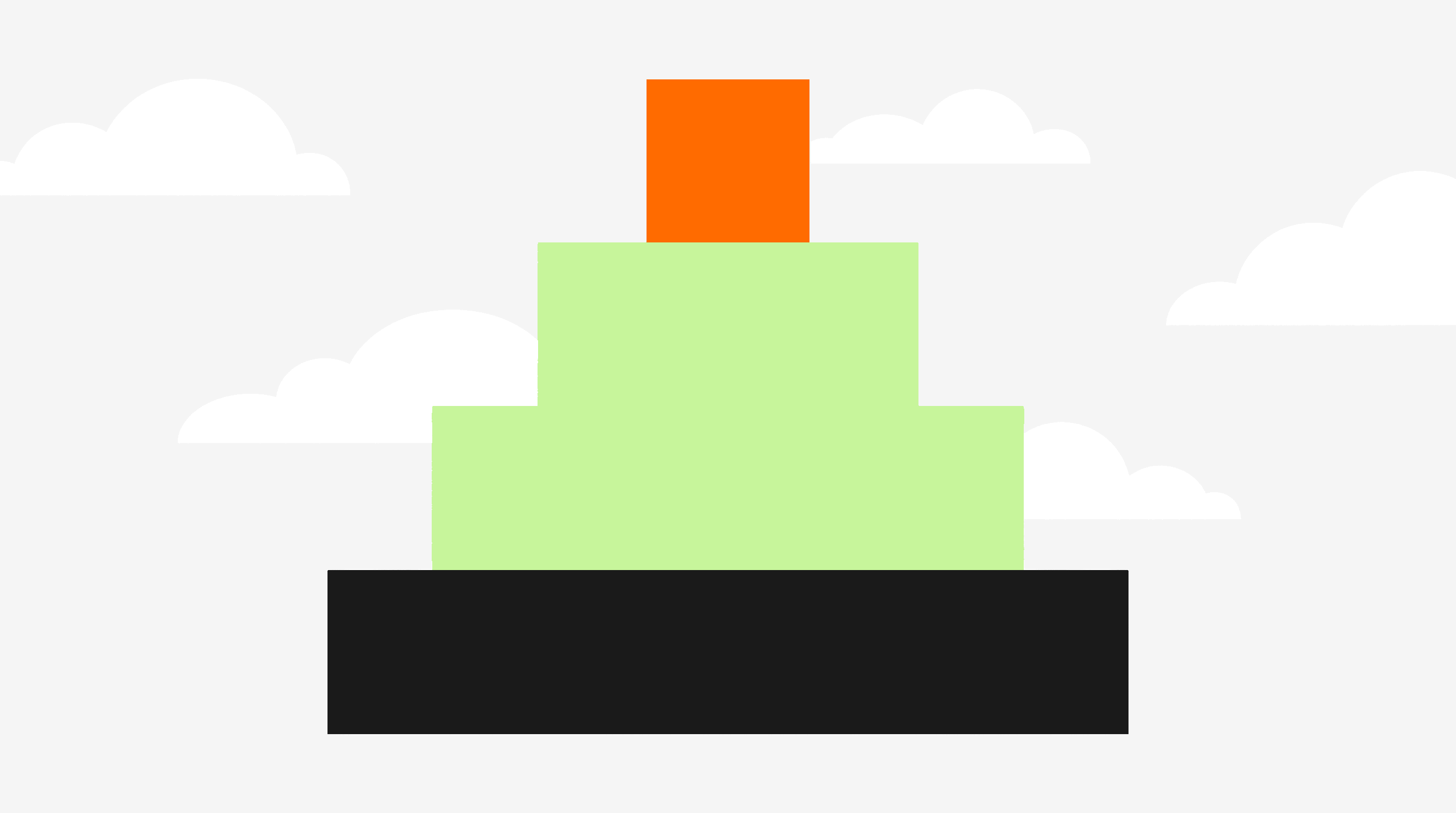
Tier 0 ... Open Affiliate
Who: Any creator who meets TikTok's Affiliate Creator minimum of one thousand followers and applies to the program. Self-serve onboarding, no manual screening.
Commission: Open Collaboration baseline. For most categories, ten to fifteen percent. Beauty and health can run twelve to fifteen percent standard, electronics five to eight percent, fashion ten to thirteen percent. Pull from the commission rates by category dataset for the specific number.
Operational treatment: Templated welcome email, automated brief delivery, sample on request (gated by minimum follower threshold), zero high-touch communication. The brand's lowest cost-to-serve tier.
Purpose: Volume and discovery. Open Affiliate is where the brand finds the creators worth promoting. The expectation is that eighty to ninety-five percent of Open Affiliate signups will never become active. That is fine, because the cost of holding them is near zero. The five to twenty percent who do become active are the funnel into Tier 1.
Tier 1 ... Movers
Who: Creators who have posted at least one shoppable video and generated at least one attributed sale. Active, but not yet proven at scale.
Commission: Bumped from baseline by two to five percentage points. If Open is twelve percent, Movers gets fourteen to seventeen percent. Auto-applied based on the sale trigger ... no negotiation.
Operational treatment: Personalized brief delivery (still automated, but tagged to the creator's content style), sample priority over Open tier, monthly check-in via DM (not call), access to category-specific creator group on Discord or Slack.
Purpose: Reward early signal. The Movers tier exists to keep the creator engaged through the second and third post, when most creators churn. The bump is small enough to be sustainable across the fifty percent of active creators who reach this tier, large enough to feel like a real reward over the Open baseline.
Tier 2 ... Killers
Who: Creators with sustained performance ... typically five thousand dollars or more in attributed GMV over the past ninety days, posting cadence of three plus shoppable videos per week, no CHR or AHR violations.
Commission: Target Collaboration premium. Eighteen to twenty-two percent for most categories, with VIP rates up to twenty-five to twenty-eight percent in beauty and health. Often paired with priority Fulfilled by TikTok (FBT) seeding so they get product first.
Operational treatment: Quarterly one-to-one call with a creator manager, custom briefs (not templated), early access to new product launches two to four weeks before open release, invitation to the brand's creator council. This is the tier where the brand's creator manager actually invests time per creator.
Purpose: Compound the top performers. Killers is the tier that drives the program's economics. If the top five percent drive eighty percent of the GMV, this is where they live. The operational investment is justified by the math ... a creator manager spending two hours a quarter on a Killers tier creator generating thirty thousand dollars in GMV per quarter is the highest-leverage hour the manager will spend that quarter.
Tier 3 ... Elite
Who: Top one to two percent of the program by GMV, paired with multi-quarter consistency and category fit. Often invited rather than promoted.
Commission: Custom. Either a high commission rate (twenty-five to thirty percent or higher) or a hybrid retainer plus commission structure ... the retainer plus commission model Ashley Wright at Social Tale documented across enterprise beauty programs ... thirty to one hundred fifty dollars per video plus commission. Enterprise programs at this scale post some of the largest creator program GMV figures published in 2025 and 2026, with rosters running into thousands of monthly creators per brand.
Operational treatment: Exclusivity clause in beauty or category lockouts in fashion, monthly check-in call with senior creator manager or partnerships lead, co-branded launch participation, paid speaking or event slots, profit share or equity discussion in extreme cases.
Purpose: Lock in the irreplaceable. Elite is small by design ... ten to fifty creators across an entire program, often less. The point is not commission ladder, it is commitment. The Elite tier creator does not post for competitors. They build content with the brand because the brand has built a real partnership.
When to add a fifth or sixth tier
Most brands run four tiers and stop. The exception is programs above two hundred active creators where Tier 1 (Movers) starts to bifurcate ... a top half producing real volume, a bottom half just over the threshold. At that point, splitting Movers into Movers and Climbers (or Tier 1A and 1B) gives the brand more granular operational control without adding meaningful complexity.
Adding tiers below one hundred creators is almost always a mistake. The tiers turn into administrative overhead with no economic return. Five tiers across forty creators means each tier holds eight creators, which is too few to run different operational treatments against. Start with four. Earn the fifth by scaling past two hundred.
Tier Promotion Signals: What Triggers Movement
A tier system without promotion criteria is decoration. Creators need to know exactly what triggers movement up (and down), and the brand needs that movement to happen automatically wherever possible.
GMV thresholds (the primary signal)
The cleanest promotion criterion is attributed GMV over a rolling window. Most brands use ninety days as the window because it smooths out one-hit-wonder posts while staying responsive enough to catch ascending creators.
Working defaults by tier (adjust to category and program scale):
| Promotion | Trigger |
|---|---|
| Open → Movers | First attributed sale |
| Movers → Killers | $5,000 GMV in 90 days, 3+ shoppable videos/week, no CHR violations |
| Killers → Elite | $50,000 GMV in 180 days, multi-quarter consistency, category fit, invitation |
| Demotion (any tier) | 60 days zero attributed GMV OR CHR violation |
The thresholds are not universal ... a beauty brand with a thirty dollar AOV will have different GMV cutoffs than a home goods brand with a one hundred fifty dollar AOV. Calibrate against the program's own creator distribution. The Killers tier should hold roughly five to fifteen percent of active creators. If thirty percent qualify, the threshold is too low. If two percent qualify, it is too high.
Content velocity and coherence
GMV is lagging. Posting cadence and content coherence are leading. Patterns documented across enterprise creator programs point to a clear signal ... the creators who post seven plus shoppable videos a week and stay on-message for the brand outperform creators with double the followers but half the cadence. If the program can measure post-rate (videos delivered against videos requested) and coherence (alignment between requested content and shipped content), those signals get a creator into Movers and Killers faster than waiting for GMV to catch up.
This is where pattern intelligence systems matter. A brand running thousands of TikTok Shop videos on a daily basis through an analytics layer can spot a Movers-tier creator who is one repost away from Killers performance, and pull them up the tier ladder before the GMV catches up. Without that visibility, brands wait for GMV thresholds to confirm what coherence already showed three weeks earlier.
SPS, CHR, and AHR alignment
TikTok's own scoring system runs in parallel. The Shop Performance Score (SPS), the Creator Health Rating, and the Affiliate Health Rating all carry weight. A creator who triggers a CHR violation should not be promoted regardless of GMV. The risk of platform-side suspension on a high-tier creator is operationally catastrophic ... it can take down the brand's exclusivity strategy in a single afternoon.
The rule: tier promotion requires GMV plus zero CHR violations in the prior ninety days. Tier demotion happens automatically on any CHR violation, regardless of GMV. The platform layer is the floor, not the ceiling.
Time-based vs performance-based promotion
Some programs add a time floor ... thirty days minimum in Tier 1 before Tier 2 promotion is possible. The case for it: prevents one-viral-video creators from skipping straight to high-touch operations they cannot sustain. The case against it: locks out genuine prodigies who hit Killers numbers in their first two weeks. The right answer depends on program scale. Below one hundred creators, no time floor ... operate flexibly. Above five hundred creators, add a thirty-day floor in Tier 1 to protect operational bandwidth.
Commission and Reward Structure by Tier
Commission is the visible reward. It is not the only reward. The mistake brands make is to design tiers as commission ladders and stop there. The best programs design reward stacks that compound non-cash rewards as the tier rises, because creators at the top tiers care less about a two-point commission bump than about access, status, and stability.
Commission ladder (the visible part)
Reference the commission rates dataset for category-specific numbers. The general spread:
| Tier | Commission rate | Typical structure |
|---|---|---|
| Open Affiliate | 10-15% (Open Collaboration baseline) | Standard rate, no special terms |
| Movers | 14-17% (small bump on Open) | Auto-applied on first sale |
| Killers | 18-22% (Target Collaboration premium) | Brand-initiated invitation, often + flat fee per video |
| Elite | 25-30% or hybrid retainer + commission | Custom contract, exclusivity clause |
The "once raised, never lowered" rule: when a creator is promoted to a higher tier, their commission rate on that creator's products does not go back down. Demotion to a lower tier resets the operational treatment, not the historical rate. Creators who experience a commission cut leave, and the broader program's reputation gets damaged within weeks.
Beyond commission: the reward stack
The reward stack is what separates a tiered program from a commission ladder.
Sample priority and quantity: Tier 1 gets samples on request. Tier 2 gets priority shipping plus increased monthly quota (per TikTok's badge-based quotas: Bronze and Silver twenty per month, Gold forty, Platinum fifty, Ruby and Diamond one hundred). Tier 3 gets unlimited samples plus pre-launch product access two to four weeks ahead of open release. For beauty and skincare brands, the early-access lever is the highest non-cash retention mechanic. Creators get content before anyone else, post rate compounds, content freshness compounds.
FBT seeding priority: Tier 2 and 3 creators get Fulfilled by TikTok seeded inventory before open inventory drops. Faster fulfillment, better unboxing, lower return rate (FBT's logistics layer reduces shipping-related returns by single-digit percentages, which compounds at scale).
Communication cadence: Open gets templated drips. Movers gets monthly DM check-ins. Killers gets quarterly one-to-one calls. Elite gets monthly calls plus direct senior contact. The cadence is not just operational ... it is the creator's signal of where they stand. Creators who get monthly calls do not leave for competitor brands. Creators who get auto-emails do.
Council and exclusive content groups: Tier 2 and 3 creators get invited into a private council ... ten to twenty creators in a private Slack or Discord, monthly calls with the brand, product roadmap previews. Documented across the Billion Dollar Boy 2026 creator report as a top retention lever for mid-tier and above creators. Tier 3 creators may also get invited to in-person events, paid speaking slots, or product co-creation sessions.
Hybrid compensation for top tiers: Pure commission breaks down at Tier 3 because the creator wants stability, not just upside. Hybrid models ... one hundred to five hundred dollars flat fee per video plus fifteen to twenty percent commission ... give creators a predictable income floor while preserving performance upside. See creator payment models for the full retainer-vs-commission-vs-hybrid breakdown. Enterprise programs run hybrid at Tier 3 because the creator economics of a top performer justify the floor.
Exclusivity clauses for the very top: Tier 3 may include category exclusivity ... the creator agrees not to post for direct competitors in exchange for a guaranteed monthly retainer. This is the lever that drops Exclusive Contract churn to eighteen percent against the Target Collaboration thirty-four percent. The creator's affiliate income becomes single-threaded, and that single thread becomes the strongest retention mechanic in the program.
How to Operate a Tier System Without Chaos
The framework is the easy part. The hard part is operating it across one hundred to five hundred creators without the tier system collapsing into a spreadsheet that nobody updates and a rotation of creators stuck in the wrong tier. Worth disambiguating: these are creator tiers you design. TikTok also runs a separate partner tier ladder for agencies, V0 to V5 on daily shop GMV, explained in the agency operations guide.

Roster intelligence: the foundation layer
Tier movement only works if the brand has visibility into every signal that triggers it. GMV per creator over rolling ninety days. Posting cadence. Content coherence. CHR and AHR scores. Days since last post. Quarterly tier reviews are useless if the data feeding them lives in three different platforms and gets manually compiled the night before.
The Creator Management at Scale playbook lays out the full operational layer. Roster intelligence consolidates the signals into one dashboard. Performance tracking handles the GMV side. Communication operations handles the cadence-by-tier. Compliance automation handles CHR and AHR enforcement. Coaching systems handle the high-touch work for Tier 2 and 3.
This is where SFN AI fits naturally. The platform watches thousands of TikTok Shop videos on a daily basis, identifies the patterns that correlate with tier-defining performance, and routes content ideas to creators based on their tier and Content DNA. The Brand Workspace gives creator strategists a single dashboard for tier movement signals. The Creator Studios side gives every creator daily content direction matched to their tier ... Tier 1 creators get standard content ideas, Tier 2 and 3 get strategy-tagged ideas tied to current campaign briefs.
The point is not the tooling ... the point is that the brand has to choose between intelligent tooling and additional headcount somewhere between one hundred and three hundred creators, and the math heavily favors tooling. A creator manager costs eighty thousand dollars a year fully loaded. A platform that operationalizes tier movement across the same roster is a fraction of that cost and scales without breaking.
Daily content direction by tier
Briefs differ by tier. Open tier gets a generic monthly brief ... here is the product, here are three angles, post when you have time. Tier 1 (Movers) gets weekly briefs with hooks tagged to their content style. Tier 2 (Killers) gets daily content ideas matched to their Content DNA, specced down to shot list and CTA, tied to the brand's campaign week. Tier 3 (Elite) gets co-developed content strategy ... the brand and creator plan together, often with custom shoots or product launches.
The brief tier itself is a retention mechanic. Creators who get tier-appropriate briefs post more, post on-message, and stay in the program longer. Creators who get one-size-fits-all briefs ignore them and drift dormant.
Tier badge visibility
Creators need to see their tier. Hidden tiers are operationally pointless because the creator does not know what they are working toward. The simplest visibility ... a tier label in the creator's dashboard, the email signature on brand communications ("Hi [Creator], you are currently in the Movers tier"), and a public criteria document that explains exactly what triggers promotion.
Hidden tiers also breed creator-side resentment. When a top performer figures out that an underperforming peer is getting the same commission, the conversation starts. When tiers are public and tied to clear criteria, the underperformer accepts they are in Tier 1 and the top performer feels seen.
Quarterly tier review cadence
Even with automated promotion triggers, a quarterly human review catches the edge cases. A creator who is technically below Killers GMV but has clear category fit and a high-coherence content track. A Tier 2 creator who has plateaued and needs either a push to Tier 3 or graceful demotion. A creator the algorithm flagged for demotion who has a documented life event that explains the dip.
Cadence: end of every quarter, creator manager runs the report (or the platform runs it for them), top twenty Tier 2 candidates and bottom ten Tier 2 demotion candidates get a fifteen-minute manual review, decisions get communicated personally. The whole pass takes a creator manager four to six hours per quarter for a roster of two hundred creators. Worth every minute.
Common operational mistakes
- Tier-bloat: five to seven tiers across fewer than one hundred creators. Each tier holds too few creators to merit operational differentiation. Fix: collapse to four tiers, add the fifth only past two hundred creators.
- Manual tier-tracking: the tier system lives in a Google Sheet that the creator manager updates monthly. Falls behind reality, creators stuck in wrong tiers, demotions never happen. Fix: automate tier movement on GMV and CHR triggers. Manual review is for edge cases, not the bulk.
- No demotion path: creators get promoted but never demoted. Tier 2 fills with creators who hit the threshold once two years ago and have produced nothing since. Fix: automatic demotion at sixty days zero attributed GMV.
- Bottom-tier abandonment: Open and Tier 1 get no investment, dormant signups pile up, the program looks healthy on paper (five hundred affiliates) but is functionally dead (twenty active). Fix: re-engagement sequences for dormant Tier 1, sunset rules for Open creators inactive over one hundred eighty days.
- Hidden tiers: creators do not know what tier they are in or what triggers promotion. The system has no motivational pull. Fix: public criteria, visible tier badges, transparent promotion communications.
Case Study: Media Labs
Media Labs is a CAP agency running TikTok Shop creator programs across multiple brands. Their in-house roster crossed twenty-five hundred creators, which is the kind of scale that breaks every traditional creator manager workflow. Hayden Coon, Brand Manager at Media Labs, framed the problem clearly: with twenty-five hundred creators in-house, the agency was not facing a creator management problem, it was facing an infrastructure problem.
Every campaign brief was built from scratch. Hooks, CTAs, camera angles, talking points ... all manual, every time. Reporting lived across three separate platforms. Every performance update was a thirty-minute manual process of logging in, cross-referencing, and copy-pasting into a Google Sheet. The team was spending more time tracking the program than running it.
What changed: Media Labs adopted SFN AI to operationalize the tier system across the roster. Daily content ideas now ship through the platform, fully formed with hook, body, CTA, and camera angle mapped, tier-tagged to each creator's Content DNA. Reporting consolidated from three platforms to one dashboard. Brand managers could pull tier-level performance views in seconds, not minutes.
Results:
| Metric | Before | After |
|---|---|---|
| Time spent on reporting and brief creation | 6-8 hours/week | Minimized |
| Reporting platforms | 3 | 1 |
| Headcount required for the same roster | Increasing | Held flat |
| Creators managed effectively per coach | Manageable cap | Scales without ceiling |
The story Hayden tells is not about technology adoption. It is about role transformation. The creator managers stopped chasing content and started setting strategy. They moved up the value stack, from operations to creative direction. The tier system stopped being a spreadsheet and became a flywheel, where Tier 2 and 3 creators got the white-glove operational treatment they earned, and Open and Tier 1 creators got the automated treatment that kept the funnel feeding the top.
"If you want to scale, you gotta use SFN."
... Hayden Coon, Brand Manager, Media Labs
"Your one stop creator shop."
... Joe Papandrea, Partnerships Manager, Media Labs
"The current floor is what the old ceiling used to be. And thanks to SFN, now it's just all the way up here because we can just handle so many more brands."
... Hayden Coon, Brand Manager, Media Labs
The full Media Labs case is on the SFN AI case studies page.
Tier Mistakes That Kill Programs
Even when the framework is right, programs die at the operational seams. The five tier mistakes that show up most often:
1. Too many tiers, too early. Five or six tiers in a program of forty creators turns into administrative overhead with no economic differentiation. Fix: four tiers until two hundred plus creators.
2. No clear promotion criteria. Creators are promoted based on creator manager intuition or relationship, not data. Top performers feel passed over, the program loses credibility internally and externally. Fix: published criteria, GMV plus content velocity plus CHR triggers, automated wherever possible.
3. One-way tiers (no demotion path). Tier 2 fills with creators who hit the threshold once and have done nothing since. The tier loses meaning. Fix: automatic demotion at sixty days zero attributed GMV.
4. Bottom-tier abandonment. Open and Movers get no operational investment. Eighty-five percent of signups go dormant, the funnel into Killers dries up. Fix: re-engagement sequences for dormant Movers (the creator retention playbook covers the four-touch sequence ... day sixty personal DM, day seventy product upgrade, day eighty time-bound bonus, day ninety council invite or release).
5. Hidden tiers. Creators do not know they are in a tier system. The structure has no motivational pull. Fix: public criteria, visible tier badges, transparent promotion communications.
The pattern across all five: tiering fails when the system is designed for the brand's convenience rather than the creator's clarity. The creator needs to know where they stand, what they are working toward, and what triggers movement. The brand needs the system to run automatically wherever possible so creator managers focus on the high-leverage Tier 2 and 3 work that actually compounds.
Implications and Forward View
Three trends are reshaping what creator tiers look like over the next twelve to eighteen months.
Algorithmic tiering by content fingerprint. Brands are starting to tier creators not just by GMV but by content fit, where pattern analysis identifies which creators best match specific product angles. A creator who scores high on coherence for skincare routines but low on hair tools gets routed to skincare campaigns specifically, regardless of follower count. This collapses the false dichotomy between performance tiers and category specialization.
Daily direction by tier. The brief is moving from a static document to a daily intelligence feed. Top-tier creators get daily content ideas tied to live campaign briefs and current platform performance, not monthly drops of generic angles. The shift from monthly brief to daily idea is the operational lever that lets brands run hundreds of high-tier creators with the same headcount that used to manage twenty.
View-based and tier-phased compensation. Pure commission is breaking down at the top tiers because it does not align creator incentive with brand goal. View-based compensation (paying per qualified view, not just per attributed sale) and tier-phased rewards (escalating commission across program phases like launch, scale, sustain) are emerging as the next-gen compensation models. The early data points are anchored in agency programs running ten million dollar plus annual creator budgets, and the framework is filtering down to mid-market programs over the next year.
The brands building these systems now ... pattern intelligence, tier-tagged content delivery, automated tier movement ... are pulling away from competitors at the same scale. The compounding effect is not in the tier framework itself, it is in the operational infrastructure underneath. Programs running tiered structures on top of intelligence platforms scale at fundamentally different cost curves than programs running tiered structures on top of spreadsheets.
Build the Tier System That Scales
A tiered affiliate program is not a commission ladder. It is the operating system of a creator program past one hundred creators ... the framework that decides where the brand invests human time, where it automates, and how it compounds.
The four-tier framework ... Open Affiliate, Movers, Killers, Elite ... covers most brands. Promotion runs on GMV plus content velocity plus CHR alignment, automated wherever possible. The reward stack compounds beyond commission ... sample priority, FBT seeding, communication cadence, council access, hybrid compensation, exclusivity at the top. The operational layer underneath ... roster intelligence, tier-tagged briefs, badge visibility, quarterly review ... is what separates a program that scales from a program that breaks at the wall.
If the brand is building the tier system from scratch, the order is: framework first, criteria second, rewards third, operations fourth. Skip operations and the system collapses inside ninety days. Skip rewards and creators churn at the average rate. Skip criteria and the system loses credibility. Skip the framework and the program never gets past the first hundred creators.
For the operational side, SFN AI gives creator strategists the roster intelligence, tier-tagged content direction, and pattern-driven creator matching that lets one person run what used to require a team of five. Brand Workspace handles the strategy side, Creator Studios handles the daily direction side, and the platform watches thousands of TikTok Shop videos on a daily basis to identify the patterns that drive tier-defining performance. For brands not ready for a platform layer, the tier framework still works on top of manual operations ... it just caps earlier.
Either way, the tier mistake is the most expensive one in TikTok Shop creator commerce. Building the tier system right is what turns a creator program from a graveyard of inactive logins into the compounding engine the brand thought it was paying for.
Frequently Asked Questions
What are TikTok Shop creator tiers?
TikTok Shop creator tiers are structured groupings of affiliates by performance, follower count, or exclusivity that drive different commission rates, rewards, and operational treatment. The strongest 2026 framework uses four tiers ... Open Affiliate, Movers, Killers, and Elite ... with promotion triggered by attributed GMV, content velocity, and shop health metrics like CHR and AHR.
How many tiers should a creator program have?
Most brands should run four tiers below two hundred active creators. Open Affiliate (anyone who signs up), Movers (first attributed sale), Killers (sustained performance, $5K+ GMV in 90 days), and Elite (top 1-2% by GMV with exclusivity). Adding more tiers below one hundred creators creates administrative overhead with no economic return. Add a fifth tier only when the program scales past two hundred and Tier 1 starts to bifurcate.
What is the best commission structure by tier?
A working spread for most categories: Open 10-15%, Movers 14-17% (small bump on first sale), Killers 18-22% (Target Collaboration premium), Elite 25-30% or hybrid retainer plus commission. The "once raised, never lowered" rule applies ... commission rates do not go back down on demotion, only operational treatment changes. Beauty and health support higher tiers (up to 28-30% at premium and VIP), electronics caps lower (10-15% at premium).
How do creators move between tiers?
Promotion is triggered by attributed GMV over a rolling 90-day window, paired with posting cadence and zero CHR or AHR violations. Working defaults: Open to Movers on first attributed sale, Movers to Killers at $5,000 GMV in 90 days plus 3+ shoppable videos per week, Killers to Elite at $50,000 GMV in 180 days plus invitation. Demotion: 60 days zero attributed GMV or any CHR violation. Automate the bulk, manual review for edge cases quarterly.
Should brands use tier badges visible to creators?
Yes. Hidden tiers have no motivational pull because creators do not know what they are working toward. Visible badges in the creator dashboard, tier labels in brand communications, and a public criteria document that explains exactly what triggers promotion. Hidden tiers also breed creator-side resentment when underperforming peers get the same commission as top performers. Public tiers tied to clear criteria solve both problems.
Founder of SFN AI. We watch TikTok Shop 24/7 so creators and the brands that run them get the playbook.